


04 Feb What is a Poured Concrete Foundation?
Do you know why many modern buildings use poured concrete foundations? It’s because they’re strong, durable, and built to last.
Wondering what is a poured concrete foundation?
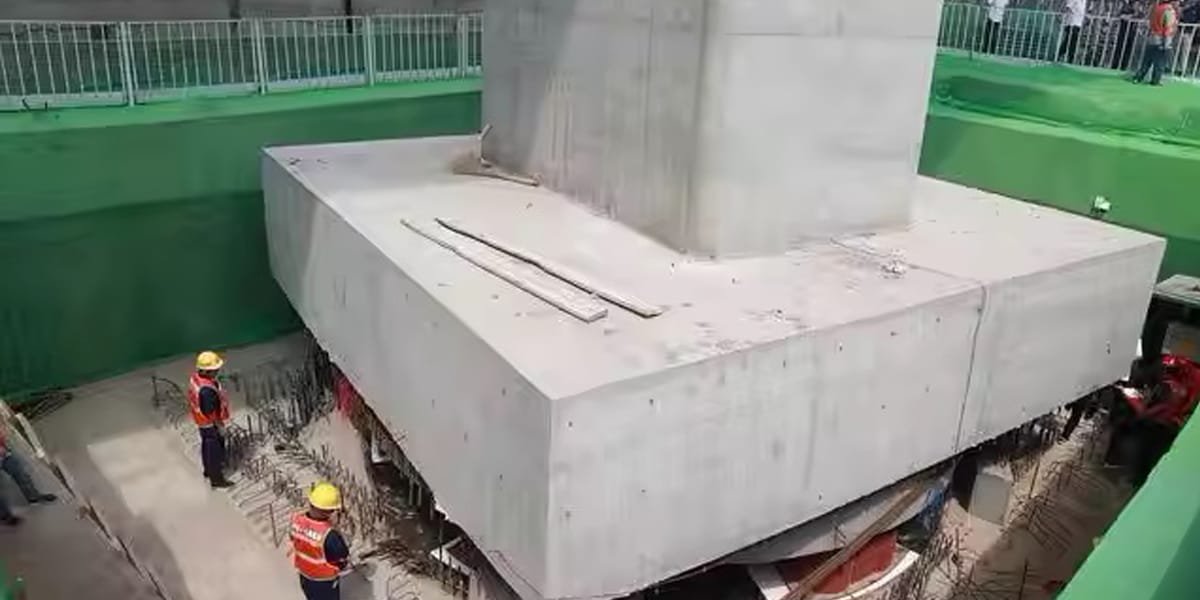
A poured concrete foundation is made by pouring concrete into molds at the construction site. The concrete hardens to form a strong, stable base for a home. The steel rebar inside the concrete adds extra strength to prevent cracks.
In this article, we’ll talk about poured concrete foundations in detail.
How Poured Foundations Are Made?
First, let us understand how these kinds of foundations are built in a step-by-step process.
Setting Up the Footings
The construction team excavates the site to prepare a level area for the foundation. Next, they pour concrete to form the footings. This provides a strong and stable base for the foundation walls.
Building the Formwork
The team then builds wooden molds, known as formwork, around the footings. These molds hold and shape the concrete as it is poured into them.
Adding Steel Rebar
Before pouring the concrete, steel rebar is placed inside the formwork. This reinforcement is placed both vertically and horizontally. It strengthens the foundation walls and helps prevent cracking.
Pouring the Concrete
The team mixes the concrete on-site and pours it into the formwork. They fill the molds completely to form the foundation walls. The concrete is left to dry for several days until it reaches full strength and solidifies.
Removing the Formwork
Once the concrete has fully set, the wooden formwork is carefully removed. It leaves behind the strong, solid foundation walls.
Finishing and Inspecting
Finally, the foundation walls are smoothed. The construction team inspects the structure to ensure it meets quality standards. The poured walls are 8-10 inches thick for more durability.
Advantages of Poured Concrete Foundations
Now, let’s take a look at why you should use these kinds of foundations for a building.
High Strength
The high strength of this foundation comes from concert and steel reinforcement. Concrete, when combined with steel reinforcement, has an increased compressive strength. This is one of the reasons why poured foundations come with high strength and durability. This synergy reduces the risk of structural failure. It also improves resistance to environmental factors such as moisture and seismic activity.
Moisture Resistance
Poured concrete minimizes potential entry points for water. This reduces the risk of structural damage in basements. It can even prevent mold growth. It eliminates joints and seams that are common in other foundation types. Hence, poured concrete creates a more effective barrier against groundwater and surface water.
Versatility
You can mold concrete in this foundation into almost any shape or size. This means you can create various designs that fit specific architectural plans. The best part is that you can adjust the thickness and shape of the foundation to accommodate the specific characteristics of the land. This ensures a stable base regardless of the conditions of the site.
Low Maintenance
As mentioned, this foundation has strength of steel and concrete. Which means it can withstand harsh conditions without getting deteriorated. Plus, the thermal mass of the concrete helps in absorbing the heat very easily. This makes the structure both energy-efficient and strong. Once the structure is complete, it doesn’t require too much maintenance or regular checks.
Disadvantages of Poured Concrete Foundations
Despite strength and moisture resistance, there are a few downsides to these kinds of foundations. Let’s talk about each of them:
Expensive
Though these foundations do not require maintenance in the long run, they are a bit expensive. For instance, costs associated with mixing, pouring, reinforcing, and labor can be significant. Also, you need to have more skilled labor when dealing with this type of foundation.
Time-Consuming
As compared to simpler foundations like concrete blocks, poured foundations are a little more complex. There is a need for excavation, formwork installation, pouring, and curing. This can take 14 to 28 days and can delay project timelines.
Depends on Soil
Under harsh soil conditions, poured concrete may crack due to settling, temperature changes, or pressure from wet soil.
Honeycombing
This problem is very common when working in extreme weather conditions. It occurs when air bubbles are trapped in the concrete during the pouring process. This results in exposed aggregate surfaces. This leads to the occurrence of weak spots. Over time, these allow water or moisture to seep through. Hence, it also requires a very careful execution.
May Need Waterproofing
In flood-prone areas, heavy flow of water can affect the integrity of the structure. Furthermore, it can lead to mildew growth and other problems that can affect the longevity of the structure. Hence, to protect it from damage, you may need to waterproof these kinds of foundations, too. As a result, the overall costs may be higher in such conditions.
Common Applications of Poured Concrete Foundation
Here are some of the most common applications of poured concrete foundations.
| Application | Description |
| Residential Buildings | It is commonly used for homes, providing strong and durable bases. |
| Commercial Structures | Poured concrete foundations support commercial buildings. It offers flexibility in design and load-bearing capabilities. |
| Basements | These are ideal for basement construction due to their water resistance and structural integrity. |
| Garages and Sheds | Builders often use slab-on-grade foundations for garages and storage sheds due to cost-effectiveness. |
| Industrial Facilities | It’s used in industrial applications like wastewater treatment plants and food processing facilities. |
| Aerospace Facilities | It provides robust support for heavy machinery and equipment in aerospace applications. |
| Infrastructure Projects | It’s used in bridges, highways, and other infrastructure projects that require strong foundations. |
Conclusion
So? Are poured concrete foundations worth it? Definitely, Yes. However, the right foundations vary according to your needs. For long-term projects, these foundations are worth the investment.
But in exceptional cases like flood-prone areas, you may need to go the extra mile by waterproofing them. Hence, it’s better to assess the site and consult an expert for professional advice.
Looking for expert advice on your next construction project?
Let us get you started
Contact us today!