


12 Jan How Quick Dry Concrete Revolutionizes Military Infrastructure?
Quick dry concrete is changing military construction in big ways. It sets and becomes strong in just a few hours. This keeps important structures working during emergencies. For instance, the U.S. Air Force got a 20-year patent for a fast-setting concrete. This shows how important it is for their plans. It cuts waiting time, so fixed areas can be used right away. Its fast drying and toughness make it perfect for quick military needs. Quick dry concrete improves work speed and makes military buildings stronger.
Unique Properties of Quick Dry Concrete
Fast Curing Time
Quick dry concrete is special because it hardens very fast. Regular concrete can take days to set, but this type becomes strong in just 1-2 hours. This is very helpful for military work when time matters. For example, Rapid Set Cement Concrete is used for busy pavements. It sets quickly, reducing waiting time. This fast process allows areas to be ready almost right away, which is crucial during emergencies or battles.
Its quick setting comes from its unique mix. Makers use more cement and less water or grind the cement finer. They also add chemicals to speed up the hardening process. This makes quick dry concrete perfect for projects needing fast results.
Durability and Strength
Even though it sets fast, quick dry concrete is very strong. It can handle about 4,000 pounds per square inch (psi) in a day. This strength helps military buildings handle heavy loads and tough conditions. For example, Rapid-hardening concrete works well in extreme weather and with heavy traffic.
Quick dry concrete lasts a long time, so repairs are needed less often. This saves money and ensures reliability for military needs. It’s great for runways, shelters, and fortifications, offering the strength needed for important tasks.
Versatility in Application
Quick dry concrete is not just fast and strong; it’s also very flexible. It can be used for many military projects, like fixing runways or building defenses. For example, Fast Setting Concrete Mix is perfect for quick repairs and same-day tasks. This helps military teams finish jobs faster.
A new development is using cement 3D printing with quick dry concrete. This method builds detailed structures quickly and accurately. Military bases can now make custom parts on-site, solving supply problems. Combining quick dry concrete with 3D printing creates new ways to build efficiently.
Uses of Quick Dry Concrete in Military Building
Fast Runway Fixes
Quick dry concrete helps fix military runways quickly. Its fast setting lets damaged airfields work again in hours. For example, tests showed it holds heavy planes soon after use. This speed reduces delays in military missions.
The U.S. military uses Rapid Set® CSA cement for these fixes. These materials are strong and last long, perfect for runway repairs. The U.S. Air Force even got a 20-year utility patent for a quick-setting concrete. This shows how vital it is for fast building and readiness.
Strong Defensive Structures
In war zones, defenses must be built fast for safety. Quick dry concrete helps make barriers, bunkers, and walls quickly. Soldiers can build these in hours during emergencies or battles.
This material is tough and handles harsh weather or attacks. It keeps defenses strong under heavy use. Its flexibility also allows creative designs for battlefield needs.
Quick Emergency Shelters
Quick dry concrete builds shelters fast in disaster or war zones. Time is critical, and this material helps make buildings quickly. These shelters can store supplies, house people, or serve as clinics.
A new idea is using 3D printing with quick dry concrete. This method makes custom shelters on-site for remote areas. It combines speed and accuracy to help in emergencies.
Advantages of Quick Dry Concrete for Military Use
Time Efficiency
Quick dry concrete works faster than regular concrete. It hardens in hours, not days. This helps military work move quickly. Damaged airstrips can be fixed fast, so planes can fly again soon.
Its quick setting also means less waiting during repairs. Crews finish jobs faster, which is important in emergencies. Using quick dry concrete keeps military teams ready without losing quality.
Cost-Effectiveness
Quick dry concrete costs more at first but saves money later. It sets fast, so workers spend less time on projects. This lowers costs for big jobs. Regular concrete takes longer and costs more to use.
It also reduces waste. The exact amount needed is mixed, so nothing is wasted. Over time, this makes it a smart choice for military projects needing repairs or updates.
Strategic Benefits
Quick dry concrete helps the military stay ready. It sets fast, keeping buildings and runways usable in tough times. Soldiers can build defenses or fix runways in hours, not days. This speed gives them an advantage.
It’s also very strong and lasts a long time. It handles bad weather and heavy use without breaking. This makes it reliable for missions and cuts down on repairs. Quick dry concrete gives the military strength and flexibility for success.
Challenges and Limits of Quick Dry Concrete
Higher Starting Costs
Quick dry concrete costs more than regular concrete. Special materials and chemicals make it pricier to produce. For big military projects, this can stretch budgets. But, the higher cost upfront often saves money later. Faster work and fewer labor hours balance the expense.
For example, the quick-drying cement formula uses advanced chemicals to set fast. These special mixes need more resources to make. Military planners must think about the cost now versus the benefits later. Faster building and less waiting time can be worth it.
Environmental Issues
Making quick dry concrete can harm the environment. Cement production releases a lot of carbon dioxide. The faster processes for quick dry concrete can make this worse. Studies show reducing CO2 emissions is important for construction.
Also, curing quick dry concrete can affect water quality. Research on pH reduction curves for curing concrete shows pH levels must be controlled. This stops harm to nearby ecosystems, like wetlands or rivers.
Need for Skilled Workers
Quick dry concrete needs skilled workers to use it right. Its fast setting time makes it tricky to handle. Mistakes in mixing or applying can cause cracks or weak spots. This can make the structure less strong.
Military teams need training to work with this material. The method for producing quick-setting concrete requires exact techniques. Without proper skills, its benefits might not be fully used. Training programs are key for success with quick dry concrete.
Overcoming Challenges with Quick Dry Concrete
Lowering Costs
To handle the high cost of quick dry concrete, smart ideas help. One way is using recycled concrete. Old materials can replace new ones, cutting costs and helping nature. This method reduces trash and saves resources by reusing materials.
Another idea is picking the right method for the job. For big projects, ready-mix concrete works well. It saves time and cuts labor costs. For smaller jobs, mixing on-site allows better control and saves money. Choosing wisely helps use budgets smartly.
Making parts in factories also lowers costs. Precasting concrete pieces in factories is faster and better. It reduces work at the site and wastes less material, saving money over time.
Helping the Environment
Caring for the planet is key when using quick dry concrete. New innovative technologies can cut carbon pollution during production. Using different binders or additives reduces the need for regular cement, which causes CO2 emissions.
Recycling is also important for the environment. Reusing recycled concrete cuts waste and lowers the need for new materials. This supports reusing resources instead of throwing them away. Volumetric concrete mixers also help by making just the right amount needed. This reduces waste and saves money.
Water care is another big part. Good curing methods and pH control stop harm to nature. These steps make quick dry concrete a greener choice for military building.
Training Workers
Quick dry concrete needs skilled workers to use it right. It sets fast, so mistakes can weaken it. Training military teams to mix and apply it correctly is very important. Learning these skills avoids problems and makes strong structures.
Workshops and guides can teach workers more. For example, manuals on the method for producing quick-setting concrete explain the process clearly. Using tools like 3D printers for concrete also helps teams learn modern ways to build.
Working with experts and researchers brings new ideas. Staying updated helps teams improve and use the best methods. Training workers ensures quick dry concrete works well for military needs.
Future of Quick Dry Concrete in Military Infrastructure
Innovations in Concrete Technology
Quick dry concrete is improving fast with new ideas. Scientists are working to make it better and stronger. For example, the U.S. Air Force made a special quick-setting concrete. It helps build faster while staying strong. These changes meet the growing needs of military projects.
Nanotechnology is another exciting improvement. Tiny particles called nanoparticles make quick dry concrete tougher and more flexible. These particles strengthen it at a very small level, making it last longer. I think these updates will change how military buildings are made.
3D printing is also changing how quick dry concrete is used. Military bases can now make custom parts for 3d construction projects on-site. This means they don’t need to wait for outside supplies. It also speeds up building. With these tools, quick dry concrete will be even more important in the future.
Expanding Applications
Quick dry concrete is being used in more ways now. It’s great for building mobile military bases. These bases need materials that set fast and handle tough conditions. Quick dry concrete works perfectly for this.
It’s also useful for underwater building. Military teams often need to build in hard places. Quick dry concrete sets quickly, even in water, making it ideal. This opens new options for naval bases and underwater defenses.
It’s also helpful in disaster relief. Quick dry concrete can quickly build shelters or fix broken buildings. Its flexibility makes it useful for many situations. This makes it valuable for both military and emergency missions.
Strategic Implications
Quick dry concrete has big benefits for military plans. Its fast setting time keeps missions moving. For example, damaged runways can be fixed in hours. This lets planes take off again quickly, giving a big advantage.
It also makes military buildings stronger. Its toughness means fewer repairs are needed. This is important for staying ready in tough conditions.
Making quick dry concrete on-site solves supply problems. Military teams can build in remote or dangerous areas without outside help. This independence helps them succeed in their missions.
I believe quick dry concrete is more than just a material. It’s a powerful tool that helps the military adapt and succeed anywhere.
Fast-Track Concrete and Its Role in Military Operations
Speeding Up Emergency Repairs
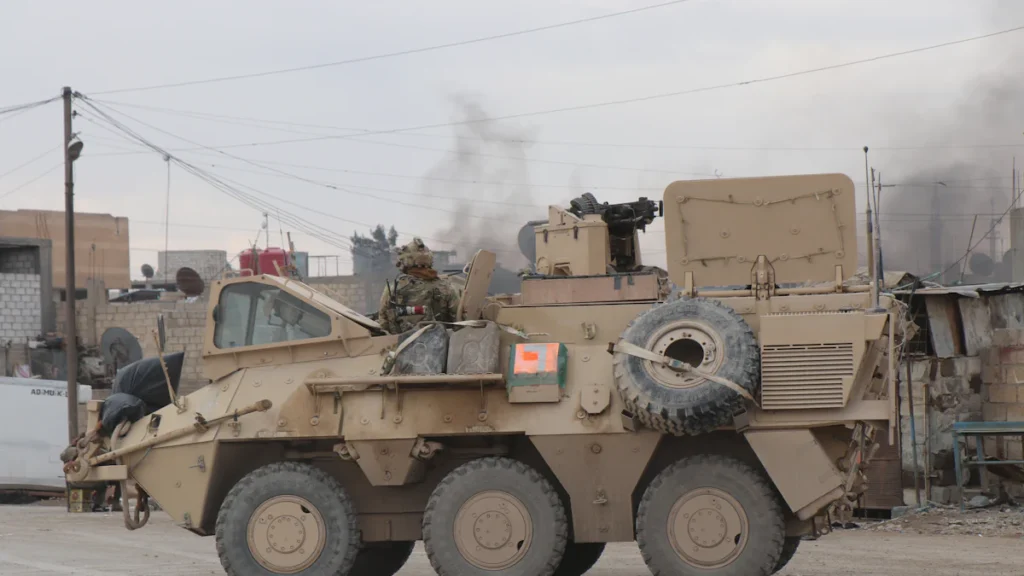
Fast-track concrete is vital for quick military repairs. It sets fast, fixing damaged areas in hours. For example, the U.S. Army tested it for four years. They found Rapid Set Cement could repair runways quickly. This helps military missions avoid delays during emergencies.
Its special mix makes it strong very fast. At SEA-TAC airport, it replaced 531 runway panels. It worked well under heavy use, proving its strength. This same concrete helps the military with urgent repairs. When time is short, fast-track concrete keeps things running.
Helping Disaster Relief Efforts
Fast-track concrete is also useful after disasters. It rebuilds roads and runways after hurricanes or earthquakes. The U.S. military has used CSA cement for years in these cases. It combines speed and strength to fix damaged areas quickly.
Using local materials with fast-track concrete saves time. Military teams can mix it with nearby resources to rebuild faster. This method reduces delays and helps relief efforts move quickly. Fast-track concrete is a key tool for disaster recovery.
Keeping Operations Running
Fast-track concrete helps the military stay ready. It fixes damaged buildings and runways fast, even in tough conditions. For example, Rapid Set CSA cement is used for strong, lasting repairs.
It also helps build temporary bases in remote areas. Its quick setting allows fast construction, giving teams an advantage. By keeping infrastructure working, fast-track concrete supports military missions without delays.
Quick dry concrete has changed military building with speed and strength. It hardens fast, keeping important structures ready in emergencies. New ideas like 3D printing make building easier and faster. Even with environmental worries, better green methods help solve problems. Concrete is still very useful, mixing new ideas with care for nature. Using these updates, the military stays prepared and improves safety worldwide.