


21 Feb How Many Bags Of Concrete Are On a Pallet
When you’re planning a project, knowing how many bags of concrete fit on a pallet can save you time and effort. The number depends on the bag size. For example, a pallet of concrete holds 80 bags if you’re using 40-pound bags. Here’s a quick breakdown:
| Bag Size (lbs.) | Number of Bags |
|---|---|
| 40 | 80 |
| 50 | 64 |
| 60 | 56 |
| 80 | 42 |
This information helps you estimate storage space and transportation needs.
Standard Number of Bags of Concrete on a Pallet
Common Bag Sizes and Their Quantities
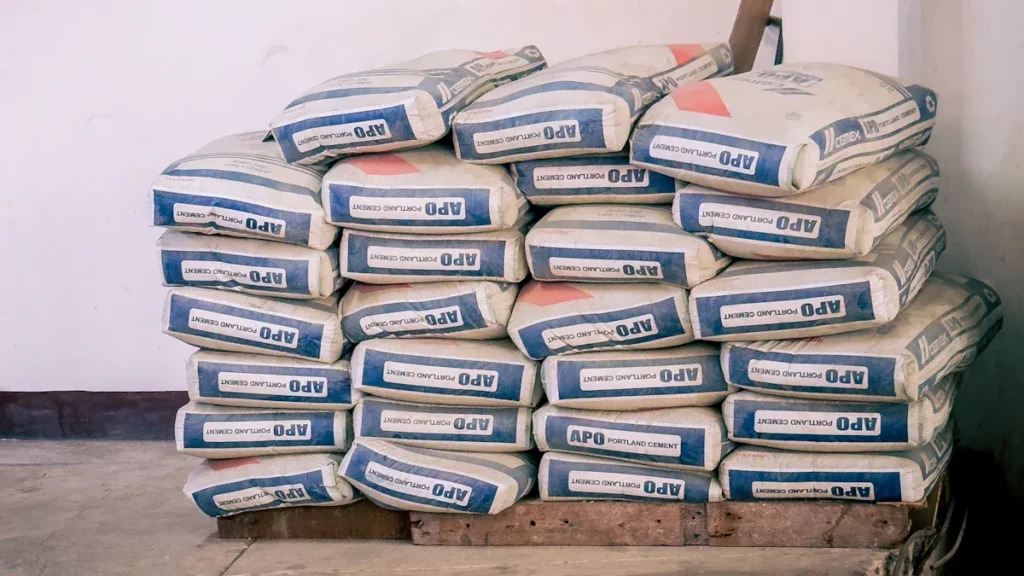
When it comes to pallets of concrete, the bag size plays a big role in determining how many bags fit. Manufacturers design pallets to hold a specific number of bags based on weight and dimensions. For example, a pallet of 40 lb. bags typically holds 80 bags, while 50 lb. bags fit 64 per pallet. If you’re working with 80lb bags of concrete, you can expect 42 bags on a pallet. These numbers are standard across most suppliers, making it easier for you to plan your project.
The amount of bags on a pallet also depends on the type of mix. Specialty mixes or irregularly shaped bags might reduce the number of bags that fit. Always check with your supplier if you’re using something other than standard bagged cement.
Why Bag Size Affects Pallet Capacity
You might wonder why bag size changes the number of bags on a pallet. It’s all about weight and space. Heavier bags, like 80lb bags of concrete, take up more room and add significant weight to the pallet. This limits how many can be stacked safely. On the other hand, smaller bags, like 40 lb. bags, are lighter and more compact, allowing more to fit on a single pallet.
Manufacturers also consider bag dimensions and regional transportation needs. For instance, some regions might use smaller pallets to fit local trucks. These factors ensure pallets are safe to move and store, no matter where you are.
Table of Bag Sizes and Pallet Quantities
Here’s a quick reference table to help you understand the standard number of bags on a pallet based on bag size:
| Bag Size (lbs.) | Number of Bags on a Pallet | Notes on Variations |
|---|---|---|
| 40 | 80 | Common for smaller projects or when lighter bags are preferred. |
| 50 | 64 | A popular choice for medium-sized construction jobs. |
| 60 | 56 | Slightly heavier, often used for larger-scale projects. |
| 80 | 42 | Ideal for heavy-duty construction but requires careful handling due to weight. |
Keep in mind that these numbers can vary slightly depending on the manufacturer. Bag dimensions and packaging methods also play a role. If you’re unsure, ask your supplier for the exact specifications.
Importance of Pallet Weight and Size
Total Weight of a Pallet of Concrete
The total weight of a pallet of concrete depends on the size and number of bags it holds. For example, a pallet with 40 lb. bags weighs about 3,200 pounds, while one with 80lb bags of concrete weighs around 3,360 pounds. Here’s a quick breakdown:
| Bag Size (lbs.) | Number of Bags | Weight (lbs.) |
|---|---|---|
| 40 | 80 | 3,200 |
| 50 | 64 | 3,200 |
| 60 | 56 | 3,360 |
| 80 | 42 | 3,360 |
Understanding the weight capacity of a pallet is crucial for safe handling and transportation. Overloading equipment or vehicles can lead to accidents or damage. Always check the weight limits of your tools and vehicles before moving a pallet of concrete.
Transportation Considerations for Heavy Pallets
Transporting heavy pallets requires careful planning. A fully loaded pallet can weigh over 3,000 pounds, so you’ll need equipment like forklifts or pallet jacks to move it safely. If you’re using a truck, make sure it can handle the weight capacity of the load. Improperly secured pallets can shift during transit, causing safety hazards. Use straps or shrink wrap to keep the bags of cement in place.
For smaller projects, consider ordering fewer bags of concrete to avoid dealing with a full pallet. This can save you time and effort, especially if you don’t have access to heavy-duty equipment.
Storage Tips for Pallets of Concrete
Proper storage keeps your bagged cement in good condition and prevents waste. Here are some tips to help you store your pallets effectively:
- Choose a dry location away from moisture and direct sunlight.
- Use wooden or plastic pallets to keep the bags off the ground.
- Stack the bags crosswise to improve stability.
- Allow air circulation between the bags to reduce the risk of moisture buildup.
- Rotate your stock using a first-in, first-out system to maintain the cement’s potency.
- Keep the area clean and monitor humidity levels. A dehumidifier can help in damp environments.
Environmental factors like humidity and temperature changes can damage your storage setup. Wooden pallets, for instance, can absorb moisture, weakening their structure. By following these tips, you’ll ensure your materials stay in top shape for your construction projects.
Calculating Concrete Volume and Coverage
Estimating the Amount of Concrete Needed
Figuring out how much concrete you need doesn’t have to be complicated. Start by measuring the length, width, and thickness of the area you’re working on. Multiply these dimensions to calculate the volume in cubic feet. If you need the volume in cubic yards, divide the total cubic feet by 27. For example, if your project is 10 feet long, 10 feet wide, and 1 foot thick, the volume would be 100 cubic feet or about 3.7 cubic yards.
Here’s a step-by-step guide to make it easier:
- Understand your project’s dimensions and requirements.
- Use a concrete calculator or app to simplify the math.
- Add a little extra to your estimate to account for spillage or uneven surfaces.
- Consider the type of concrete mix you’ll use, as different mixes can affect the volume needed.
- If you’re unsure, consult a professional or your supplier for advice.
Taking these steps ensures you won’t run out of concrete mid-project or end up with too much leftover.
Coverage Per Bag Based on Bag Size
The coverage you get from a bag of concrete depends on its size. Smaller bags, like 50 lb. bags, cover less area but are easier to handle. Larger bags, such as 80lb bags of concrete, cover more ground but require more effort to move. Here’s a quick reference table to help you estimate coverage:
| Bag Size (lbs.) | Coverage (Cubic Feet) | Approx. Area (sq. ft. at 4″ thick) |
|---|---|---|
| 40 | 0.30 | 0.90 |
| 50 | 0.375 | 1.12 |
| 60 | 0.45 | 1.35 |
| 80 | 0.60 | 1.80 |
Knowing this helps you decide how many bags of cement you’ll need for your project. Always double-check your calculations to avoid surprises.
Tips for Avoiding Over- or Under-Ordering
Ordering the right amount of bags of concrete is crucial for saving time and money. Here are some tips to help you get it right:
- Use accurate measurements and double-check your calculations.
- Communicate clearly with your supplier about your needs.
- Plan for a small buffer to cover unexpected issues like spillage or uneven ground.
- Store any leftover palletized bags properly to avoid waste.
By following these strategies, you’ll avoid the hassle of running out of materials or dealing with excess bagged cement.
Understanding how many bags of concrete are on a pallet helps you plan better for your construction projects. For example, a pallet of 80lb bags of concrete holds 42 bags, which can cover about 25 cubic feet. Miscalculating your needs could lead to wasted bagged cement or project delays. Always double-check your calculations and consult professionals when in doubt.