


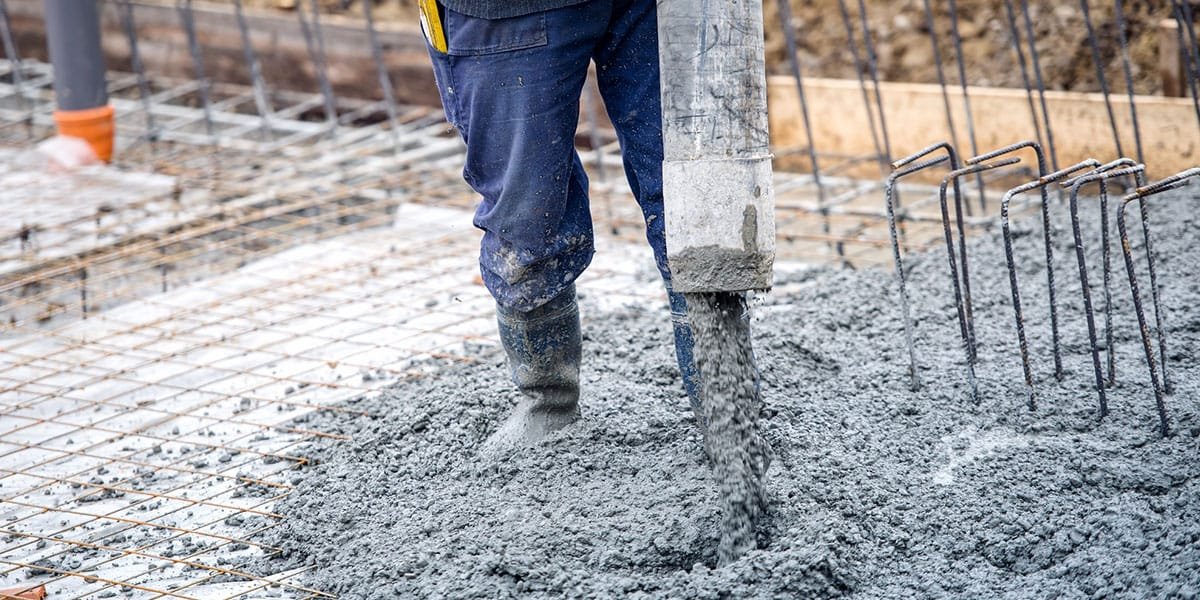
25 Mar How to Calculate the Cost of Pouring a Concrete Slab in 2025
If you’re planning to pour a concrete slab in 2025, you might be asking, “What is the cost to pour concrete slab?” The price varies based on several factors, but the cost to pour concrete slab generally falls between $5 and $12 per square foot. For instance, a 30’x30′ slab might cost anywhere from $5,400 to $10,800.
Regional pricing differences significantly impact the cost to pour concrete slab. In California, the average cost per square foot ranges from $7.67 to $8.53, whereas in Kentucky, it’s more budget-friendly at $5.16 to $5.74. Additional factors, such as the slab’s thickness, finishing options, and labor expenses, can further influence the total cost. A 4-inch slab may cost $5 to $6 per square foot, while an 8-inch slab could increase to $8.
Being aware of these details helps you accurately estimate the cost to pour concrete slab and plan your budget effectively. Whether your project is residential or commercial, understanding the 2025 pricing guide ensures you’re well-prepared.
Cost Breakdown of Pouring a Concrete Slab
Understanding the cost breakdown of pouring a concrete slab can help you plan your project more effectively. Let’s dive into the key components that influence the total project cost.
Cost Per Square Foot
The cost per square foot is one of the most straightforward ways to estimate your concrete slab cost. On average, you can expect to pay between $5 and $12 per square foot, depending on factors like thickness and project complexity. For example, a 4-inch slab typically costs around $5.35 per square foot, while a 6-inch slab increases to about $6.19 per square foot. Larger slabs require more materials and labor, which raises the overall cost.
Here’s a quick breakdown of how thickness impacts the cost per square foot:
| Thickness | Average cost per square foot |
|---|---|
| 4 inches | $5.35 |
| 5 inches | $5.78 |
| 6 inches | $6.19 |
Cost by Thickness
The thickness of your concrete slab plays a significant role in determining the cost of pouring concrete. Thicker slabs require more concrete and reinforcements, which increases the cost. For instance:
- A 4-inch slab costs between $5 and $6 per square foot.
- A 6-inch slab ranges from $6 to $7 per square foot.
- An 8-inch slab can cost as much as $7 to $8 per square foot.
If your project involves heavy loads, like driveways or commercial spaces, you’ll likely need a thicker slab, which will increase the total project cost.
Cost by Project Type
The type of project—residential or commercial—also affects the cost of a concrete slab. Let’s break it down:
Residential Projects
Residential projects, such as patios or driveways, usually have lower costs. Standard concrete costs around $100 to $150 per cubic yard, and labor rates are typically more affordable, ranging from $1 to $2 per square foot. These projects often require less site preparation and fewer reinforcements, keeping the cost to install a concrete slab on the lower end.
Commercial Projects
Commercial projects tend to be more expensive due to their complexity. Specialized concrete mixes, additional reinforcements, and heavy machinery drive up costs. For example, labor rates for commercial slabs range from $2 to $4 per square foot. Site preparation, including excavation and grading, can add $2 to $6 per square foot. Equipment rentals, which may cost $800 to $1,500 per day, further increase the average cost for a concrete slab in commercial settings.
Tip: If you’re working on a commercial project, consider getting multiple quotes to ensure you’re getting the best deal.
Additional Costs to Consider
When planning your concrete slab project, it’s important to account for additional costs that can quickly add up. These expenses go beyond the basic materials and labor but are essential for a durable and polished result.
Site Preparation
Site preparation is one of the first steps in your project, and it can significantly impact your budget. Preparing the site ensures your slab is level and stable, which is crucial for long-term durability. Depending on the terrain and depth, excavation costs range from $2 to $6 per square foot, while grading and leveling add another $1 to $2 per square foot. For a typical project, site preparation might cost anywhere from $1,300 to $5,200. If your site requires extra work, like clearing debris or addressing poor soil conditions, expect these costs to rise.
Tip: Investing in proper site preparation now can save you from costly repairs later.
Reinforcements
Reinforcements like rebar or wire mesh strengthen your concrete slab, especially if it will bear heavy loads. While these materials add to the upfront cost, they prevent cracking and extend the slab’s lifespan. Rebar typically costs $0.30 to $0.80 per square foot, while wire mesh ranges from $0.15 to $0.30 per square foot. For larger or commercial projects, you may need additional reinforcements, which will increase the total cost.
Finishing Options
Finishing touches can elevate the look of your concrete slab but come with varying price tags. Here’s a breakdown of common finishing options:
| Finishing Option | Cost Range |
|---|---|
| Sealing and Waterproofing | $0.50 to $1.50 per sq ft |
| Decorative Staining | $3.50 to $7.50 per sq ft |
| Stamping | $10 to $14 per sq ft |
| Elaborate Designs | $18 to $20 per sq ft |
If you’re aiming for a decorative finish, like stamping or staining, these costs can add up quickly. However, simpler options like sealing are more budget-friendly and still protect your slab from wear and tear.
Note: Choosing standard finishes can help you save money without compromising functionality.
Factors Affecting the Cost of Concrete Slabs
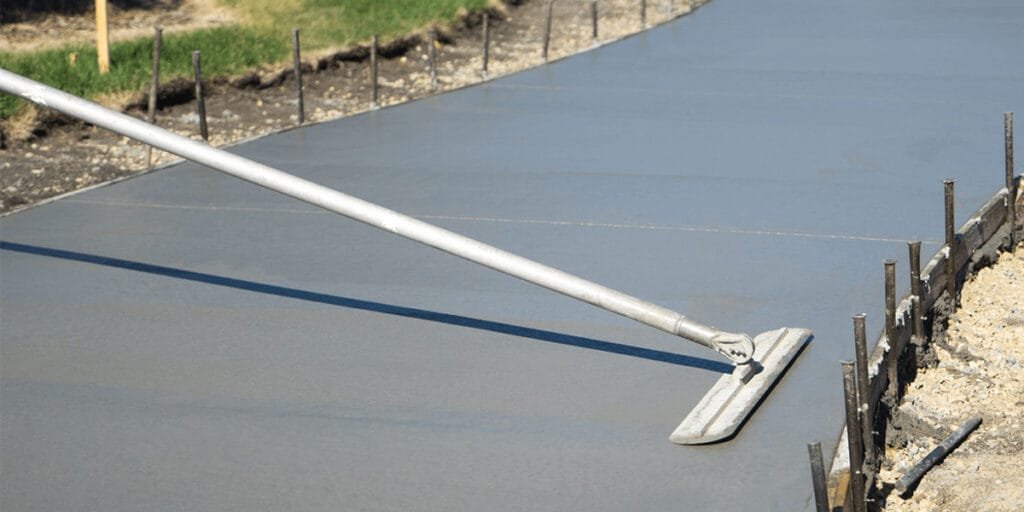
When you’re planning a concrete slab project, several factors can influence the final price. From material choices to labor and site preparation, understanding these elements can help you manage your budget effectively.
Material Costs
Concrete Mix Prices
The type of concrete mix you choose plays a big role in determining the cost. Thicker slabs require more material, which increases expenses. Here’s a quick look at average prices for different slab thicknesses:
| Concrete Slab Thickness | Average Price per Square Foot |
|---|---|
| 2 inches | $4–$5 |
| 4 inches | $5–$6 |
| 5 inches | $5.50–$6.50 |
| 6 inches | $6–$7 |
| 8 inches | $7–$8 |
If you’re working on a heavy-duty project, like a driveway or commercial floor, you’ll likely need a thicker slab, which will push up costs.
Additives and Customizations
Additives and customizations can enhance your slab’s durability or appearance but come at an extra cost. For example:
- Reinforcement materials like rebar cost $1.40 to $1.85 per foot, while wire mesh is a more affordable option.
- Decorative finishes, such as staining or stamping, range from $6 to $18+ per square foot, depending on complexity.
If you’re aiming for a unique look, these customizations can quickly add up.
Labor Costs
Labor costs are another significant factor. On average, pouring a concrete slab costs $2 to $3 per square foot for labor. However, the total cost can vary based on your location and the complexity of the project.
Regional Variations
Labor costs differ depending on where you live. For instance, urban areas with higher living expenses often have pricier labor rates. In contrast, rural regions may offer more affordable options. For a typical project, labor costs can range from $5,460 to $15,340.
Project Complexity
The complexity of your project also affects labor expenses. Simple slabs are quicker and cheaper to complete. However, intricate designs or larger areas require more time and effort, which increases costs. Specialized equipment may also be necessary for complex projects, adding to the overall expense.
Tip: If your project involves decorative or advanced techniques, plan for higher labor costs and longer timelines.
Site Preparation
Grading and Excavation
Before pouring a slab, the site must be properly prepared. Grading and excavation ensure the ground is level and stable, which is essential for a durable slab. Costs for this step depend on factors like soil type, accessibility, and the size of the area. Here’s a breakdown of typical expenses:
| Excavation Cost Factor | Average Cost |
|---|---|
| Size of area and accessibility | $1,500–$5,000 |
| Soil type | $200–$1,200 |
| Grading and leveling | $400–$6,500 |
| Dirt removal or hauling | $8–$25 per cubic yard |
If your site requires additional work, like soil testing or cleanup, expect these costs to rise.
Soil Conditions
Soil conditions can significantly impact your budget. Poor soil may require stabilization or additional grading, which increases costs. For example, clay-heavy soil often needs extra preparation to ensure the slab won’t shift or crack over time. Investing in proper site preparation now can save you from costly repairs later.
Permits and Inspections
Before you start pouring a concrete slab, you’ll likely need to deal with permits and inspections. These steps ensure your project meets local building codes and safety standards. Ignoring them can lead to fines or even having to redo the work, which no one wants.
Permits are usually required for larger projects, like driveways, patios, or commercial slabs. The cost of a permit varies depending on your location and the size of the project. On average, you can expect to pay anywhere from $50 to $500. Some cities might charge a flat fee, while others calculate the cost based on the project’s square footage.
Inspections are another important step. Once you’ve obtained the permit, an inspector will visit your site at different stages of the project. They’ll check things like site preparation, reinforcements, and the final pour. Inspection fees are often included in the permit cost, but in some cases, they might add an extra $100 to $200.
Tip: Contact your local building department early in the planning process. They can guide you through the requirements and help you avoid delays.
Equipment and Tools
Pouring a concrete slab requires the right tools and equipment. If you’re hiring professionals, they’ll bring everything needed. But if you’re tackling a DIY project, you’ll need to rent or buy some essential items.
Here’s a list of common tools and their average rental costs:
- Concrete Mixer: $50–$150 per day
- Trowels and Floats: $10–$30 each
- Vibrating Screed: $100–$200 per day
- Wheelbarrow: $15–$40 per day
For larger projects, you might also need heavy machinery like an excavator or a skid steer. These can cost $200 to $500 per day to rent.
Note: Renting equipment is often more cost-effective than buying, especially for one-time projects. Always check the condition of rented tools to avoid unexpected issues.
DIY vs. Professional Costs

When deciding between doing it yourself or hiring a professional for your concrete slab project, understanding the cost differences and other factors can help you make the right choice.
Cost Comparison
Materials and Tools for DIY
If you’re considering diy concrete slab pouring, you’ll save on labor costs, which typically range from $2 to $3 per square foot. However, you’ll need to account for the cost of materials and tools. Renting equipment like a concrete mixer or vibrating screed can add $50 to $200 per day to your budget. Additionally, purchasing items like trowels, floats, and wheelbarrows will increase your expenses. While DIY can be cost-effective, these extra costs can add up quickly.
Labor and Expertise for Professionals
Professional concrete slab pouring comes with a higher price tag but offers significant advantages. Contractors bring expertise, ensuring proper installation and reinforcement. They also complete projects faster, which is ideal if you’re on a tight schedule. While professionals charge more, their work often results in a higher-quality slab, reducing the risk of costly repairs later.
Pros and Cons of DIY
Taking on a diy concrete slab pouring project has its perks and challenges. Here’s a quick breakdown:
- Pros:
- Save money by eliminating labor costs.
- Gain a sense of accomplishment from completing the project yourself.
- Enjoy creative control over the design and execution.
- Cons:
- Lack of expertise can lead to mistakes, like improper mixing or pouring.
- Projects often take longer than expected, especially for beginners.
- Limited access to professional-grade tools may affect the final quality.
Tip: If you’re new to concrete work, start with a smaller project to build your skills before tackling something larger.
When to Hire a Professional
Sometimes, hiring a professional is the smarter choice. Here are a few scenarios where it makes sense:
- The project is large or complex, requiring specialized equipment and expertise.
- You’re on a tight timeline and need the job done quickly.
- You lack the tools or experience to ensure proper installation.
- The cost to install a concrete slab professionally fits within your budget.
Professionals handle everything from site preparation to finishing, giving you peace of mind and a durable result.
Tips to Save Money on Concrete Slab Projects
Plan and Budget Carefully
Planning ahead is one of the best ways to save money on your concrete slab project. Start by creating a detailed budget that outlines all expected expenses. Include costs for materials, labor, permits, and any additional features like decorative finishes. Research suppliers to find the best prices on materials. Some suppliers offer discounts for bulk purchases, so it’s worth asking.
Hiring experienced workers can also save you money in the long run. Skilled professionals are less likely to make mistakes, which means fewer costly repairs later. Once your project begins, track your expenses closely to stay within your budget.
If you’re working on a residential project, consider teaming up with neighbors. Scheduling same-day production for multiple slabs can help you share equipment and material costs, leading to significant savings.
Compare Quotes from Contractors
Getting multiple quotes from contractors is a smart way to reduce costs. When you compare quotes, you can find the best price and ensure you’re getting good value for your money. Look for detailed proposals that include material specifications. This helps you avoid contractors who might use lower-quality materials to offer a cheaper price.
Pay attention to differences in the quotes. A higher price might reflect better quality or more durable materials. On the other hand, a very low price could be a red flag for poor workmanship. Always choose a contractor with a solid reputation and experience in concrete slab projects.
Tip: Ask contractors about discounts for scheduling during off-peak seasons. You might be able to save even more.
Opt for Standard Finishes
Keeping your design simple is another effective way to save money. Standard finishes, like basic sealing or smooth troweling, are functional and affordable. While decorative options like stamping or staining look great, they can add $10 to $20 per square foot to your total cost.
If you want to enhance your slab’s appearance without breaking the bank, consider using a budget-friendly finish like staining. It’s less expensive than stamping but still adds a touch of style. For most projects, standard finishes provide durability and a clean look without unnecessary expenses.
Note: Proper maintenance of your slab can also save you money over time. Regular sealing protects it from wear and tear, reducing the need for repairs.
Consider Doing Some Work Yourself
If you’re looking for ways to cut costs on your concrete slab project, rolling up your sleeves and handling some tasks yourself can make a big difference. You don’t need to be a professional to take on a few simple jobs that can reduce your overall expenses.
Here are some tasks you can safely tackle:
- Prepare the site by clearing obstacles like lawn decor, fence panels, or anything blocking access for the concrete truck.
- Handle landscaping and grading work yourself. This includes leveling the ground or removing debris before the contractor arrives.
- Research local concrete delivery costs. For smaller projects, you might even mix your own concrete to save money.
- Keep the design simple. Opt for basic shapes like rectangles and avoid complex finishes.
- After the slab is poured, take care of staining, sealing, or minor repairs over time.
Another way to save is by allowing the contractor to leave excess dirt or gravel on your property. Hauling it away can add unnecessary costs. By taking on these manageable tasks, you’ll not only save money but also feel more involved in the project.
Tip: If you’re unsure about a task, ask your contractor for advice. They can guide you on what’s safe to handle yourself and what’s better left to the pros.
Schedule During Off-Peak Seasons
Timing your project wisely can also help you save money. Contractors often charge less during their slower months, which typically fall in late fall or early winter. During these off-peak seasons, demand for concrete work drops, and you’re more likely to get competitive pricing.
Scheduling your project during these times has other perks too. Contractors may have more availability, which means they can focus on your project without rushing to meet other deadlines. Plus, cooler weather can sometimes improve the curing process for concrete, leading to a stronger slab.
To take advantage of off-peak savings, start planning early. Reach out to contractors ahead of time to discuss their availability and ask about seasonal discounts. You might be surprised at how much you can save just by adjusting your timeline.
Note: Avoid scheduling during extreme weather conditions, like heavy rain or freezing temperatures. These can delay your project and increase costs.
The cost to pour concrete slab in 2025 depends on factors like size, thickness, and project type, with prices ranging from $5 to $12 per square foot. Proper planning and understanding the cost of concrete slabs can help you save money. Compare quotes from contractors to find the best value without sacrificing quality. If you’re unsure how much does it cost to install a concrete slab, consider consulting a professional. Their expertise ensures a durable result and avoids costly mistakes. Whether you choose DIY or professional concrete slab pouring, weigh the pros and cons carefully to make the best decision for your project.
Tip: Regular maintenance, like sealing and cleaning, can extend your slab’s lifespan and protect your investment.