



06 Jan How to Speed Up Construction with Quick Set Concrete?
Quick set concrete transforms how you approach construction. It sets in as little as 20 minutes, letting you finish projects faster than ever. This speed doesn’t just save time—it can cut labor costs by up to 50%, making it a game-changer for contractors and homeowners alike. Its ease of mixing and pouring simplifies your work, especially on smaller tasks. Whether you’re repairing a surface or building something new, quick set concrete helps you achieve professional results while keeping efficiency at the forefront.
Preparing for Quick Set Concrete
Getting ready to use fast-setting concrete is the first step toward a smooth and efficient project. Proper preparation ensures you’ll avoid unnecessary delays and achieve the best results. Let’s break it down into three key areas.
Essential Tools and Materials
Before you begin, gather everything you’ll need. Having the right tools and materials on hand saves time and keeps the process stress-free. Here’s a quick checklist:
- Mixing Tools: A sturdy bucket or wheelbarrow and a mixing paddle or hoe.
- Application Tools: A trowel, float, or screed for spreading and smoothing.
- Measuring Tools: A measuring cup or container for precise water-to-concrete ratios.
- Fast-Setting Concrete: Choose a reliable product like QUIKRETE® Fast Setting Concrete or Rapid-Set Concrete. These options set in 20 to 40 minutes, making them ideal for quick jobs.
- Water Source: Access to clean water for mixing.
Having these items ready ensures you can focus on the task without interruptions.
Choosing the Right Type of Fast-Setting Concrete
Not all fast-setting concrete is the same. Selecting the right type depends on your project’s needs. For example:
- For Repairs: Use QUIKRETE® Quick-Setting Cement. It sets in about 10 minutes and works well for vertical or overhead surfaces.
- For Posts or Small Projects: Opt for QUIKRETE® Fast Setting Concrete. It’s ready to use in just four hours and provides excellent stability.
- For High Strength Needs: Consider Rapid-Set Concrete. It hardens in as little as two hours and offers high early strength.
Read the product labels carefully to match the concrete’s features with your project requirements. This step ensures durability and efficiency.
Safety Gear and Workspace Setup
Safety should always come first when working with fast-setting concrete. Protect yourself and prepare your workspace to avoid accidents. Here’s how:
- Wear Safety Gear: Use gloves, safety goggles, and a dust mask. Concrete dust can irritate your skin, eyes, and lungs.
- Prepare the Workspace: Clear the area of debris and ensure it’s well-ventilated. If you’re working outdoors, choose a shaded spot to prevent the concrete from setting too quickly in direct sunlight.
- Organize Your Tools: Keep everything within arm’s reach to save time and maintain focus.
By prioritizing safety and organization, you’ll create a workspace that supports both speed and precision.
How to Mix Fast Setting Concrete

Mixing fast setting concrete correctly is crucial for achieving the strength and durability you need. Follow these steps to ensure a smooth process and avoid common pitfalls.
Step-by-Step Mixing Instructions
To mix fast setting concrete, preparation and timing are everything. Here’s how you can do it effectively:
- Measure the Water: Start by checking the instructions on your concrete mix bag. Use a measuring container to get the exact amount of water required. Too much or too little water can weaken the mix.
- Add the Concrete Mix: Pour the fast-setting concrete into a sturdy bucket, wheelbarrow, or mixing tray. If you’re working on a small project, like setting a mailbox post, you can even pour the dry mix directly into the hole.
- Combine Water and Mix: Gradually add water to the concrete mix while stirring continuously. Use a mixing paddle, hoe, or shovel to blend the materials thoroughly. For larger batches, consider using a mechanical mixer to save time and effort.
- Check the Clock: Fast-setting concrete begins to harden quickly—often within 20 minutes. Work efficiently to mix and apply it before it sets.
Pro Tip: For no-mix applications, such as post-setting, simply pour the dry mix into the hole and soak it with water. This method saves time and eliminates the need for additional tools.
Achieving the Right Consistency
The consistency of your concrete determines its performance. Aim for a mix that’s firm but workable. Here’s how to test it:
- Scoop Test: Scoop a small amount of the mixed concrete onto your trowel. It should hold its shape without crumbling or dripping.
- Adjust as Needed: If the mix feels too dry, add a small amount of water and stir again. If it’s too runny, sprinkle in more dry mix and blend thoroughly.
A well-mixed batch ensures the concrete bonds properly and provides the strength you need for your project.
Common Mistakes to Avoid
Mistakes during mixing can lead to weak or uneven results. Avoid these common errors:
- Adding Too Much Water: Overwatering dilutes the mix and reduces its strength. Stick to the recommended water-to-concrete ratio.
- Rushing the Process: While fast-setting concrete requires speed, rushing can lead to uneven mixing. Take your time to blend the materials thoroughly.
- Ignoring the Clock: Fast-setting concrete hardens quickly. Prepare your workspace and tools beforehand to avoid delays.
- Skipping Safety Gear: Concrete dust can irritate your skin and lungs. Always wear gloves, goggles, and a dust mask while mixing.
By following these tips, you’ll mix fast setting concrete like a pro and set the foundation for a successful project.
Applying Fast-Setting Concrete Efficiently
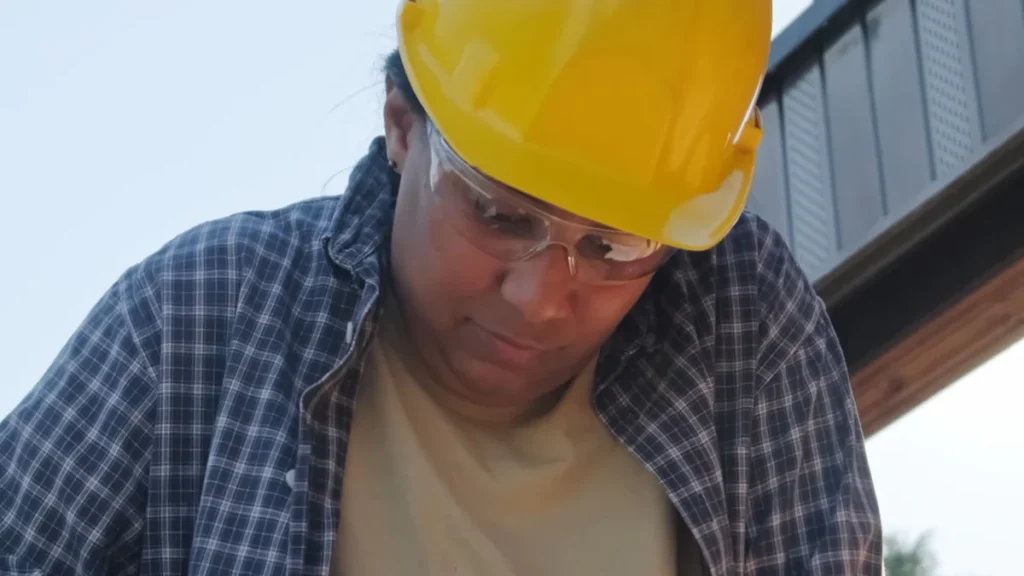
Fast-setting concrete works best when applied with precision and speed. Knowing the right techniques ensures you get a smooth finish and a durable result. Let’s dive into the key steps for applying it effectively.
Pouring and Spreading Techniques
When you pour the concrete, timing and technique matter. Follow these steps to ensure an even application:
- Prepare the Area: Before you pour the concrete, make sure the surface is clean and free of debris. A smooth base helps the concrete adhere better.
- Pour with Control: Slowly pour the concrete into the prepared area. For smaller projects, like setting a post, you can pour directly from the bag into the hole. For larger areas, use a bucket or wheelbarrow to transport the mix.
- Spread Evenly: Use a trowel or screed to spread the concrete evenly. Work quickly but carefully to avoid uneven surfaces. Start from one end and move toward the other to maintain consistency.
Pro Tip: Tap the sides of the formwork gently to release trapped air bubbles. This step improves the concrete’s strength and appearance.
Managing the Fast Setting Time
Fast-setting concrete hardens quickly, so you need to stay ahead of the clock. Here’s how to manage the rapid setting time:
- Work in Small Batches: Mix only as much concrete as you can apply within 15–20 minutes. This approach prevents waste and ensures you can finish before the mix hardens.
- Plan Your Steps: Before you start, visualize the process. Know where you’ll pour, how you’ll spread, and what tools you’ll need. Preparation saves valuable time.
- Keep Tools Handy: Have your trowel, float, and other tools within reach. Quick access helps you work efficiently without interruptions.
Did You Know? Fast-setting concrete begins to harden in as little as 20 minutes. Once it starts setting, adjustments become difficult, so timing is everything.
Adjusting for Larger Projects
Larger projects require extra planning and adjustments. Fast-setting concrete can still work, but you’ll need to adapt your approach:
- Use Rapid-Set Concrete: For bigger jobs, consider using rapid-set concrete. It offers similar benefits but provides more strength for large-scale applications.
- Divide the Area: Break the project into smaller sections. Pour and finish one section before moving to the next. This method keeps the concrete manageable and prevents it from setting too quickly.
- Enlist Help: For extensive projects, having an extra pair of hands can make a big difference. One person can mix while the other pours and spreads.
By tailoring your methods to the project size, you’ll achieve professional results without compromising efficiency.
Tips for Speeding Up the Process
When working with fast-setting concrete, every minute counts. By optimizing your approach, you can save time and achieve better results. Here are some practical tips to help you speed up the process without compromising quality.
Optimizing Environmental Conditions
The environment plays a big role in how quickly fast-setting concrete hardens. Adjusting the conditions around your workspace can make a noticeable difference.
- Temperature Control: Warm temperatures accelerate the setting process. If you’re working in cold weather, consider using warm water for mixing. On hot days, work in shaded areas to prevent the concrete from setting too quickly.
- Humidity Levels: Low humidity can cause the concrete to dry out too fast. Keep the area slightly damp by misting it with water. This helps maintain the right moisture balance for proper curing.
- Surface Preparation: A clean, pre-moistened surface ensures better adhesion and reduces the risk of cracks. Avoid pouring concrete on dry or dusty surfaces.
Pro Tip: If you’re working outdoors, check the weather forecast. Rain or extreme heat can disrupt your project and affect the concrete’s performance.
Using Additives or Accelerators
Additives can significantly speed up the hardening process while maintaining the concrete’s strength. These are especially useful for time-sensitive projects.
- Superplasticizers: These high-range water reducers improve the flow of the mix without adding extra water. They help the concrete set faster and enhance its mechanical properties.
- Accelerators: Products like calcium chloride reduce hydration time, allowing the concrete to harden in as little as one hour. Use them sparingly to avoid over-acceleration, which can weaken the mix.
- Pre-Mixed Rapid-Set Options: Many fast-setting concrete products already include additives. Check the label to see if additional accelerators are necessary.
Did You Know? Fast-setting concrete contains special compounds that form a unique composite phase, enabling it to harden quickly without sacrificing durability.
Avoiding Common Delays
Delays can slow down your project and waste valuable time. By planning ahead, you can avoid common pitfalls and keep the process running smoothly.
- Organize Your Tools: Lay out all your tools and materials before you start. This minimizes downtime and keeps you focused on the task.
- Mix in Small Batches: Only prepare as much concrete as you can use within 15–20 minutes. This prevents waste and ensures you’re working with fresh material.
- Prepare the Workspace: Clear the area of obstacles and debris. A clutter-free workspace allows you to move quickly and efficiently.
- Have a Backup Plan: Keep extra water, tools, and materials nearby. If something goes wrong, you’ll be ready to fix it without losing time.
Pro Tip: Practice mixing and applying small amounts of concrete before tackling larger projects. This helps you get comfortable with the fast-setting process.
By following these tips, you’ll not only save time but also improve the overall quality of your work. Fast-setting concrete is all about efficiency, and with the right strategies, you can make the most of its rapid-setting capabilities.
Cleaning Up and Storing Leftover Materials
Fast-setting concrete is incredibly efficient, but cleaning up and storing leftover materials properly ensures you’re ready for your next project. Neglecting this step can lead to hardened tools, wasted materials, and unnecessary costs. Let’s break it down into actionable steps.
Cleaning Tools Before the Concrete Hardens
Cleaning your tools immediately after use is crucial. Once fast-setting concrete hardens, removing it becomes nearly impossible. Follow these steps to keep your tools in top shape:
- Rinse Immediately: As soon as you finish applying the concrete, rinse your tools with clean water. Use a hose or a bucket of water to wash off any residue.
- Scrub Thoroughly: For stubborn spots, use a stiff-bristle brush to scrub the tools. Focus on areas where concrete tends to stick, like corners and edges.
- Dry Completely: After cleaning, dry your tools with a cloth or let them air dry. This prevents rust and keeps them ready for future use.
Pro Tip: If you’re working with a mechanical mixer, rinse it out immediately after use. Rotate the drum with water inside to ensure all leftover mix is removed.
Proper Storage of Unused Fast-Setting Concrete
Storing unused fast-setting concrete correctly helps you avoid waste and ensures the material stays effective for your next project. Here’s how to do it:
- Seal the Bag: If you have leftover concrete mix, fold the bag tightly and secure it with tape or a clip. Exposure to air and moisture can cause the mix to harden prematurely.
- Use an Airtight Container: For added protection, transfer the mix to an airtight plastic container. This keeps moisture out and extends the shelf life.
- Store in a Dry Place: Choose a cool, dry location for storage. Avoid areas with high humidity, like basements or outdoor sheds, as moisture can ruin the mix.
Did You Know? Fast-setting concrete begins its hardening process within minutes when exposed to water or high humidity. Proper storage prevents accidental activation.
Extending the Shelf Life of Quick Set Concrete
Maximizing the shelf life of your quick set concrete saves money and ensures consistent results. A few simple precautions can make a big difference:
- Check the Expiration Date: Always note the expiration date on the bag. Use older materials first to avoid waste.
- Avoid Temperature Extremes: Extreme heat or cold can degrade the quality of the mix. Keep it in a temperature-controlled environment whenever possible.
- Inspect Before Use: Before starting a new project, check the mix for clumps or discoloration. These signs indicate moisture exposure and reduced effectiveness.
Key Takeaway: Proper storage and handling can keep your fast-setting concrete usable for months, ensuring you’re always prepared for your next project.
By cleaning your tools promptly and storing leftover materials correctly, you’ll save time, money, and effort. These small steps make a big difference in maintaining the efficiency and quality of your work.
Advantages and Limitations of Quick Set Concrete
Fast-setting concrete has revolutionized construction by offering unmatched speed and efficiency. However, like any material, it comes with its own set of strengths and challenges. Understanding these can help you make the most of this innovative product.
Key Benefits for Time-Sensitive Projects
Fast-setting concrete is a lifesaver when time is tight. Its rapid curing time allows you to complete projects in hours instead of days. This makes it perfect for quick jobs like repairing a cracked sidewalk or setting fence posts. You can save time without sacrificing quality, which is a huge advantage for both professionals and DIY enthusiasts.
Another major benefit is its versatility. You can use it for small jobs, such as patching up a driveway, or larger tasks like pouring a slab for a shed. Its high early strength ensures durability, even under heavy loads. Plus, it works well in various conditions, whether you’re dealing with vertical surfaces or horizontal ones.
Fun Fact: Fast-setting concrete is often used for emergency repairs on highways because it minimizes downtime and gets traffic moving again quickly.
This material also reduces labor costs. Since it sets so quickly, you spend less time on-site, which means fewer hours of work. For contractors, this translates to higher efficiency and the ability to take on more projects.
Challenges and How to Overcome Them
Despite its many advantages, fast-setting concrete does have limitations. One of the biggest challenges is its short working time. Once mixed, it begins to harden within 20 minutes, leaving little room for adjustments. If you’re not prepared, this can lead to mistakes or wasted material.
To overcome this, always plan ahead. Organize your tools and workspace before mixing. Work in small batches to ensure you can apply the concrete before it sets. For larger projects, consider dividing the area into sections and tackling them one at a time.
Another challenge is achieving a smooth finish. The quick setting time can make it harder to perfect the surface. To address this, use proper tools like a trowel or float and work efficiently. Practice on a small area if you’re new to using fast-setting concrete.
Finally, storage can be tricky. Exposure to moisture or air can ruin unused material. Always seal the bag tightly or transfer the mix to an airtight container. Store it in a cool, dry place to extend its shelf life.
Pro Tip: If you’re unsure about using fast-setting concrete for a specific project, consult the product label or reach out to the manufacturer for guidance.
By understanding these challenges and preparing accordingly, you can fully harness the benefits of fast-setting concrete. It’s a powerful tool for speeding up construction while maintaining professional results.
Quick set concrete transforms construction by combining speed, strength, and durability. It allows you to complete projects faster without sacrificing quality. By mastering preparation, mixing, application, and cleanup, you can streamline your workflow and achieve professional results. Whether you’re tackling small repairs or larger builds, this material adapts to your needs, saving time and reducing costs. Its versatility makes it a smart choice for time-sensitive projects, ensuring stability and efficiency. With the right tools and techniques, quick set concrete empowers you to work smarter and finish stronger.