



20 Jan Understanding the Compressive Strength of Concrete
The compressive strength of concrete defines its ability to resist axial loads without breaking. This property is essential for ensuring that structures remain durable and safe under heavy pressure. You rely on this strength to confirm that concrete can handle the demands of construction projects. It also plays a critical role in maintaining quality control and meeting industry standards. By understanding this key characteristic, you can ensure that your construction materials perform as expected and provide long-lasting results.
What is the Compressive Strength of Concrete?
Definition and Explanation
The compressive strength of concrete measures how much load the material can bear before it fails. It reflects the ability of concrete to resist crushing forces applied axially. This property is fundamental in construction because it determines whether a structure can handle the stresses it will face during its lifespan. You can think of it as the backbone of concrete’s performance, ensuring that buildings, bridges, and other structures remain stable and safe.
Concrete achieves its compressive strength through a combination of its ingredients and the chemical reactions that occur during curing. The mixture typically includes cement, water, aggregates, and sometimes additives. When these components interact, they form a dense, hardened material capable of withstanding significant pressure. Testing this strength ensures that the concrete meets the required standards for specific applications.
Factors Influencing Compressive Strength
Several factors directly impact the compressive strength of concrete. Understanding these can help you optimize the material for your construction needs:
- Water-to-Cement Ratio: A lower ratio generally results in higher strength. Too much water weakens the bond between cement and aggregates.
- Quality of Raw Materials: High-quality cement and aggregates improve the density and durability of the concrete.
- Type and Grade of Aggregates: Denser aggregates contribute to stronger concrete. A mix of different sizes ensures better compaction.
- Curing Conditions: Proper curing allows the concrete to gain strength over time. Temperature and moisture levels play a critical role in this process.
- Age of Concrete: Concrete continues to gain strength as it ages, with most of its strength developing within the first 28 days.
By controlling these factors, you can achieve the desired compressive strength and ensure the material performs as expected.
Typical Strength Ranges for Different Applications
The compressive strength of concrete varies depending on its intended use. For residential and commercial buildings, the strength typically ranges from 2,500 psi (17 MPa) to 4,000 psi (28 MPa). Infrastructure projects, such as bridges and highways, often require higher strengths, exceeding 5,000 psi (35 MPa). Ultra-high-performance concrete (UHPC), used in specialized applications, can reach strengths greater than 10,000 psi (70 MPa).
“Concrete is considered structural if it has a compressive strength greater than 15 MPa (approximately 2,200 psi).” This threshold ensures that the material can support significant loads without failure.
When selecting concrete for your project, always consider the specific strength requirements. Testing and quality control are essential to confirm that the material meets these standards.
Why is Compressive Strength Important in Construction?
Ensuring Structural Integrity
The compressive strength of concrete plays a critical role in maintaining the structural integrity of buildings and infrastructure. It determines how much pressure the material can endure before failing. When you construct load-bearing structures, such as bridges, skyscrapers, or dams, this property ensures that the concrete can support the immense forces acting on it. Without achieving the ideal compressive strength, the structure may weaken over time, leading to cracks, deformation, or even collapse.
Concrete serves as the backbone of modern construction. Its ability to withstand heavy loads ensures that structures remain durable and safe throughout their lifespan. Testing the compressive strength allows you to confirm that the material meets the minimum compressive strength required for the project. This step is essential for avoiding structural failures and ensuring long-term reliability.
“Compressive strength is the prominent concrete specification that ensures the support of heavy structures over time.”
By prioritizing compressive strength, you can build structures that stand strong against environmental stresses and daily wear.
Meeting Concrete Compressive Strength Requirements
Every construction project has specific concrete compressive strength requirements. These standards ensure that the material can handle the expected load-bearing capacity. For example, residential buildings often require a compressive strength of 2,500 psi, while infrastructure projects may demand strengths exceeding 5,000 psi. Meeting these requirements guarantees that the concrete performs as intended under various conditions.
Testing the compressive strength of concrete helps you verify compliance with these standards. It also allows you to identify any weaknesses in the mix design or curing process. By addressing these issues early, you can avoid costly repairs or delays. Consistently meeting the required strength levels ensures that your project adheres to safety regulations and quality benchmarks.
“Accurately assessing concrete strength is vital for ensuring the integrity and safety of structures.”
When you meet the specified compressive strength, you can confidently proceed with construction, knowing that the material will perform as expected.
Economic and Safety Considerations
Achieving the correct compressive strength of concrete impacts both the safety and cost-efficiency of your project. A structure with insufficient strength may require frequent repairs, increasing maintenance costs over time. Worse, it could pose safety risks to occupants and users. By ensuring the concrete meets the required strength, you minimize these risks and reduce long-term expenses.
On the other hand, overdesigning the concrete mix can lead to unnecessary costs. Using more cement or higher-grade materials than needed increases expenses without adding significant benefits. Striking the right balance between strength and cost is key to optimizing your resources.
“Enhancing compressive strength is crucial for the durability and safety of construction projects.”
By focusing on compressive strength, you not only protect the structural integrity of your project but also ensure that it remains economically viable. This approach helps you deliver safe, durable, and cost-effective solutions for any construction challenge.
Testing the Compressive Strength of Concrete

Overview of Testing Standards and Guidelines
Testing the compressive strength of concrete ensures that the material meets the required performance standards for construction. Various organizations, such as ASTM International and the American Concrete Institute (ACI), have established guidelines to standardize these tests. These standards provide clear instructions on how to prepare, test, and evaluate concrete specimens. Following these guidelines helps you achieve accurate and reliable results.
The most widely used method for compressive strength tests involves the 28-day concrete cylinder tests. This approach measures the strength of a cylindrical concrete sample after 28 days of curing. The 28-day period is critical because it represents the time when concrete reaches most of its strength. By adhering to these standards, you can confirm that the concrete will perform as expected under load-bearing conditions.
“Standardized testing methods ensure consistency and reliability in evaluating concrete’s compressive strength.”
Understanding and applying these guidelines is essential for maintaining quality control and ensuring compliance with construction requirements.
Specimen Preparation and Curing
Proper specimen preparation plays a vital role in obtaining accurate compressive strength results. You begin by creating cylindrical molds, typically 6 inches in diameter and 12 inches in height, filled with freshly mixed concrete. Compacting the concrete in layers ensures that no air pockets remain, which could weaken the sample. Once the mold is filled, you level the surface to create a smooth finish.
Curing the specimen is equally important. After demolding, you place the sample in a controlled environment with consistent temperature and humidity. This process allows the concrete to gain strength over time. The curing period usually lasts 28 days, but you can also conduct tests at earlier intervals, such as 7 or 14 days, to monitor strength development. Proper curing ensures that the concrete achieves its full potential strength.
“Curing conditions significantly impact the compressive strength of concrete. Maintaining optimal moisture and temperature levels is crucial.”
By following these steps, you can prepare specimens that accurately represent the concrete’s performance in real-world applications.
Testing Procedures and Equipment
The testing process begins by placing the cured concrete specimen into a compression testing machine. This machine applies a steadily increasing axial load until the sample fails. The maximum load the specimen withstands before breaking determines its compressive strength. The results are expressed in pounds per square inch (psi) or megapascals (MPa).
Modern compression testing machines come equipped with advanced features, such as digital displays and automated controls, to enhance accuracy and ease of use. These machines ensure consistent application of force, reducing the chances of errors during testing. Regular calibration of the equipment is essential to maintain precision.
“Advancements in technology have improved the accuracy and efficiency of compressive strength tests.”
After completing the test, you analyze the results to determine whether the concrete meets the specified strength requirements. If the results fall short, you may need to adjust the mix design or curing process to achieve the desired performance.
Interpreting Test Results
Interpreting the results of compressive strength tests helps you evaluate whether the concrete meets the required standards for your project. The data you obtain from these tests provides critical insights into the material’s performance and reliability. Understanding how to analyze these results ensures that your construction materials align with safety and quality benchmarks.
Key Metrics to Analyze
When reviewing test results, focus on the following metrics:
- Maximum Load: This value represents the highest force the concrete specimen withstood before failure. It directly correlates to the material’s compressive strength.
- Compressive Strength: Calculated by dividing the maximum load by the cross-sectional area of the specimen, this value is expressed in pounds per square inch (psi) or megapascals (MPa). It determines whether the concrete meets the specified strength requirements.
- Failure Pattern: Observing how the specimen breaks can reveal potential issues in the mix design or curing process. A clean, uniform failure indicates proper material performance, while irregular cracks may suggest weaknesses.
“Accurate interpretation of test results ensures that the concrete can handle the expected loads and stresses in real-world applications.”
Factors Affecting Test Results
Several factors can influence the accuracy of your test results. Recognizing these variables helps you identify potential discrepancies:
- Temperature Effects: Higher temperatures can reduce the compressive strength of concrete, especially in specimens with higher fiber content. This reduction occurs because elevated temperatures weaken the bond between fibers and cement.
- Specimen Quality: Poorly prepared or cured specimens may not accurately represent the concrete’s true strength. Air pockets, uneven compaction, or inadequate curing can lead to misleading results.
- Testing Equipment Calibration: Regular calibration of testing machines ensures precise measurements. Inaccurate equipment can produce unreliable data, leading to incorrect conclusions.
By accounting for these factors, you can ensure that your test results reflect the actual performance of the concrete.
Making Decisions Based on Results
Once you analyze the test data, use it to make informed decisions about your construction project. If the results meet or exceed the specified strength requirements, you can proceed with confidence. However, if the results fall short, consider the following steps:
- Review the Mix Design: Adjust the water-to-cement ratio, aggregate type, or additive content to improve strength.
- Enhance Curing Practices: Ensure optimal temperature and moisture conditions during the curing process.
- Retest the Concrete: Prepare new specimens and repeat the testing process to confirm the adjustments’ effectiveness.
“Testing concrete and interpreting the results allow you to identify and address potential issues before they impact the project’s success.”
By taking these actions, you can optimize the material’s performance and ensure the safety and durability of your structure.
Common Challenges in Achieving Desired Compressive Strength
Achieving the desired compressive strength of concrete often presents challenges that can compromise the quality and safety of construction projects. These challenges typically arise from issues in mix design, curing practices, and testing procedures. Understanding these obstacles helps you take proactive steps to address them effectively.
Issues in Concrete Mix Design
The design of concrete mixtures plays a critical role in determining its compressive strength. A poorly designed mix can lead to weak or inconsistent results. One common issue is an improper water-cement ratio. Adding too much water weakens the bond between cement and aggregates, reducing the material’s strength. On the other hand, insufficient water can make the mix difficult to work with, leading to uneven compaction.
The choice of aggregates also impacts the strength of concrete. Using low-quality or improperly graded aggregates can result in voids within the mix, weakening the final product. Additionally, failing to include necessary additives or using incompatible materials can disrupt the chemical reactions during curing, further compromising strength.
“Factors like aggregate type, curing conditions, and water-to-cement ratio directly impact concrete’s compressive strength.” — Sakshi Chem Sciences
To avoid these issues, you should carefully evaluate the materials and proportions used in your mix design. Testing trial batches before large-scale production ensures that the mix meets the required performance standards.
Problems During Curing
Curing is a vital process that allows concrete to develop its full compressive strength. However, improper curing practices often lead to subpar results. Inconsistent temperature or humidity levels can disrupt the hydration process, leaving the concrete weaker than expected. For example, exposing freshly poured concrete to extreme heat or cold can cause cracks or incomplete curing.
In some cases, external pressures, such as project deadlines or material shortages, may force contractors to rush the curing process. In Texas, a cement shortage led to rushed concrete placement under less-than-ideal conditions, potentially affecting its strength. Such scenarios highlight the importance of prioritizing proper curing over meeting tight schedules.
“Curing conditions significantly impact the compressive strength of concrete. Maintaining optimal moisture and temperature levels is crucial.”
To ensure optimal curing, you should monitor environmental conditions closely and follow recommended practices, such as covering the concrete with wet burlap or plastic sheeting to retain moisture.
Errors in Testing and Interpretation
Testing the compressive strength of concrete provides valuable insights into its performance. However, errors during testing can lead to inaccurate results. Mishandling specimens, such as improper compaction or air pocket formation during molding, often skews the data. Additionally, inadequate curing of test cylinders may not accurately reflect the strength of the actual structure.
“Improper cylinder handling, curing, and testing are the most common reasons for low strength results in concrete.” — Concrete Network
Deviations from standard testing procedures also contribute to discrepancies. For instance, using uncalibrated equipment or applying uneven loads during testing can produce unreliable results. These errors make it difficult to assess whether the concrete meets design requirements.
“Deviation from standard procedures in making, curing, and testing concrete specimens can lead to lower measured strength.” — Nevada Ready Mix
To minimize these errors, you should adhere strictly to established guidelines, such as those provided by ASTM International. Regularly calibrating testing equipment and training personnel on proper procedures ensures accurate and reliable results.
By addressing these common challenges, you can improve the compressive strength of concrete and ensure the success of your construction projects.
Improving the Compressive Strength of Concrete
Enhancing the compressive strength of concrete ensures that your structures remain durable and reliable under various conditions. By focusing on key aspects such as mix design, curing practices, and quality control, you can significantly improve the performance of your concrete. Below are practical strategies to achieve this goal.
Optimizing Concrete Mix Design
The design of concrete mixtures directly impacts their strength and durability. To optimize your mix, you should carefully balance the proportions of cement, water, and aggregates. Increasing the cement content in the mix often enhances strength, as it improves the bonding between particles. However, excessive cement can lead to premature cracking, especially in pavements. Striking the right balance is essential.
The water-cement ratio plays a critical role in determining the compressive strength. A lower ratio typically results in stronger concrete, as it reduces the porosity of the material. For example, reducing the water content while maintaining workability can create a denser and more durable mix. Additionally, incorporating high-quality aggregates and using additives like polypropylene (PP) fibers can further enhance the strength. These fibers improve the material’s resistance to high temperatures and heavy loads.
“A stronger concrete mix often correlates to more durability, longevity, and, sometimes, a more efficient volume of material than a lower-strength mix.”
By testing trial batches and adjusting the mix design, you can ensure that the concrete meets the required strength thresholds for your project.
Enhancing Curing Practices
Proper curing allows concrete to develop its full compressive strength by ensuring adequate hydration. Without sufficient moisture, the chemical reactions that harden the concrete may not complete, leading to weaker material. To retain moisture, you can use techniques such as covering the surface with wet burlap, plastic sheets, or curing compounds. These methods prevent water loss and maintain optimal hydration conditions.
Temperature also affects the curing process. Extreme heat or cold can disrupt the development of strength. For instance, curing at high temperatures may cause rapid drying, leading to cracks. On the other hand, low temperatures slow down hydration, delaying strength gain. Maintaining a controlled environment ensures consistent results.
“Curing conditions significantly impact the compressive strength of concrete. Maintaining optimal moisture and temperature levels is crucial.”
By prioritizing proper curing practices, you can maximize the strength and durability of your concrete.
Implementing Quality Control Measures
Quality control ensures that every step of the concrete production process meets the required standards. Regularly testing the compressive strength of concrete helps you identify potential issues early. For instance, if test results show lower-than-expected strength, you can adjust the mix design or curing process before proceeding with large-scale production.
Monitoring raw materials is another critical aspect of quality control. Using high-quality cement, aggregates, and water ensures consistent performance. Additionally, calibrating equipment and training personnel on proper procedures minimizes errors during mixing, curing, and testing.
“Design engineers use the specified strength ƒ´c to design structural elements. The concrete mixture is designed to produce an average strength, ƒ′cr, higher than the specified strength such that the risk of not complying with the strength specification is minimized.”
By implementing these measures, you can ensure that your concrete consistently meets or exceeds the required compressive strength.
Applications of Compressive Strength in Real-World Construction
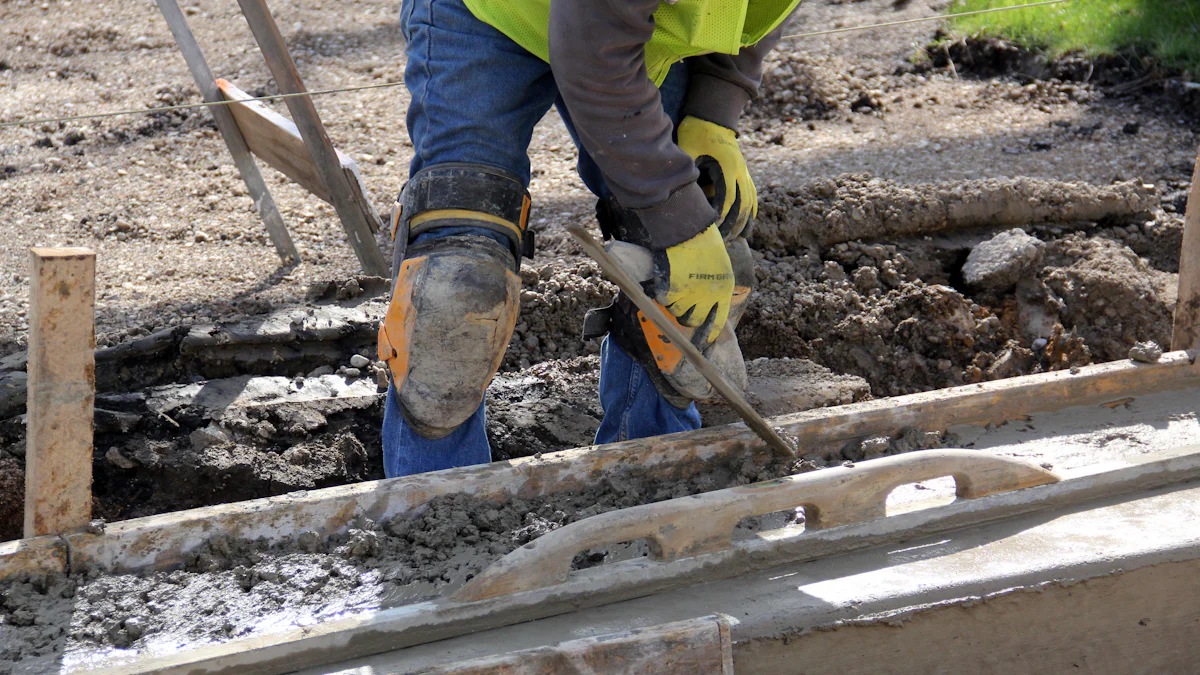
Concrete plays a pivotal role in modern construction, offering the strength and durability needed for various applications. Its compressive strength determines its suitability for specific projects, ensuring structures can withstand the required load-bearing capacity. Below, you’ll explore how compressive strength impacts different construction scenarios.
Residential and Commercial Buildings
In residential and commercial construction, concrete forms the backbone of foundations, walls, and floors. The compressive strength of concrete ensures these structures can support daily loads without compromising safety. For most residential projects, concrete with a strength of 2,500 psi to 4,000 psi is commonly used. This range provides sufficient durability for homes, driveways, and small commercial buildings.
When constructing driveways, selecting the best psi for driveways is crucial. A strength of 3,000 psi to 4,000 psi is often recommended to handle vehicle loads and resist cracking over time. For multi-story commercial buildings, higher-strength concrete exceeding 5,000 psi may be necessary to support the additional weight and stress.
“Concrete is the foundation of modern construction, with varying compressive strength requirements based on applications.”
By choosing the right compressive strength, you ensure that residential and commercial structures remain safe, durable, and cost-effective.
Infrastructure and Specialized Projects
Infrastructure projects demand concrete with exceptional compressive strength to endure heavy loads and environmental stresses. Bridges, highways, and dams often require concrete with strengths exceeding 5,000 psi, ensuring long-term stability and performance. For specialized projects like high-rise buildings or industrial facilities, ultra-high-performance concrete (UHPC) with strengths over 10,000 psi is frequently used.
These projects rely on concrete’s ability to resist axial loads and maintain structural integrity under extreme conditions. For example, bridges must withstand constant traffic and environmental factors like temperature changes and moisture. Using concrete with the appropriate compressive strength minimizes the risk of deterioration and ensures the structure’s longevity.
“The compressive strength of concrete is one of the main factors determining the best kind of concrete to use for any construction project.”
By understanding the specific requirements of infrastructure projects, you can select concrete that meets the demands of these critical applications.
Innovations in High-Strength and Sustainable Concrete
Advancements in concrete technology have led to the development of high-strength and sustainable materials. Adding fibers, such as polypropylene or steel, enhances concrete’s compressive strength and improves its behavior under high temperatures. These fibers also reduce cracking and increase durability, making the material more reliable for demanding applications.
Sustainability has become a key focus in construction. Innovations like recycled aggregates and low-carbon cement aim to reduce the environmental impact of concrete production. These materials maintain high compressive strength while promoting eco-friendly practices. For instance, ultra-high-performance concrete not only achieves strengths exceeding 15,000 psi but also uses less material, reducing waste.
“Adding fibers to concrete improves its properties and enhances compressive strength.”
By embracing these innovations, you can create structures that are both strong and environmentally responsible.
Understanding and testing the compressive strength of concrete is essential for ensuring the durability and safety of any structure. By focusing on proper mix design, curing practices, and quality control, you can achieve the desired strength and reliability for your projects. These steps not only help you meet construction standards but also prevent costly failures and enhance long-term performance. Prioritizing compressive strength allows you to build structures that stand the test of time, delivering both safety and efficiency in every application.