


01 Feb What is the Difference Between Concrete Footings and Foundations?
Ever thought about the difference between concrete footings and foundations? Understand that these play significant roles in keeping buildings secure.
Footings spread a building’s weight across the soil. But foundations are set above footings to support a structure.
But there’s much more to know about these concrete footings and foundations.
In this article, we will talk about the difference between concrete footings and foundations and how these are used.
What is Concrete Footing?
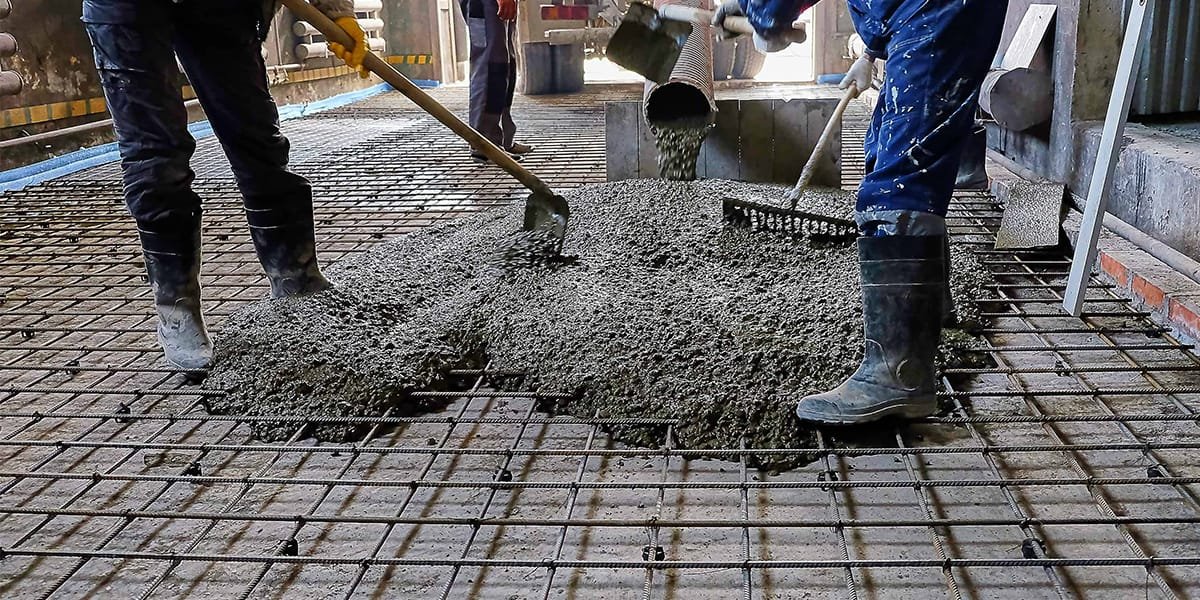
A concrete footing is a concrete base that distributes a building’s weight evenly across the soil. Here, the concrete is usually mixed in a ratio of 1 part cement, 4 parts coarse aggregate, and 2 parts sand. This mixture provides the strength to bear heavy loads. It prevents settling or shifting by spreading the load over a larger area.
Why are Concrete Footings Used in the Construction Sector?
Let’s understand the usability of concrete footings and their functionality:
Weight Distribution from Foundations
High-performance applications often concentrate weight on a single point, which creates instability. Strategically designed footings spread the structure’s load evenly, ensuring better stability and performance.
Preventing Shifting in Structure
The concrete footings anchor the structure with soil in a firm manner. They prevent the structure from moving or sinking due to the forces of nature or unstable soil conditions. Plus, they even help in preventing cracks and misaligned walls.
Preventing Moisture Damage
In most of the commercial applications, the structure is subject to moisture. The excess moisture can weaken the foundation. Hence, moisture-resistant footings help avoid these issues and increase the building’s lifespan.
Supporting Different Foundation Types
Each kind of foundation needs a strong base or footing. Concrete footing provides the load-bearing capacity for various kinds of foundations. They provide the required support needed for the rest of the structure to stand securely.
Long-Term Durability
Footings play a big role in making sure your structure lasts a long time. By spreading the weight evenly across the soil, they help prevent uneven damage. Plus, they make the building sturdy and safe for years to come.
What is a Concrete Foundation?
A concrete foundation is a structure that supports a building above the footing. It transfers the building’s weight to the footings and ensures stability. A shallow foundation can transfer weight up to 1.5 meters deep.
Foundations are used to anchor the building. This prevents movement or settling. These are made of reinforced concrete. Plus, it has materials like steel and moisture barriers.
Why are Concrete Foundations Used in Construction Projects?
Now, let us understand how concrete foundations are implemented in various commercial applications.
Flexibility for Different Designs
Be it a simple home or a large commercial building, foundations can be customized as per architectural needs. They accommodate everything from shallow to deep foundation designs.
Environment Resistance
Concrete stands strong against environmental challenges. It doesn’t rot, rust, or warp when exposed to moisture, making it a reliable barrier against water damage. It also keeps pests like termites and rodents at bay since they can’t chew through it.
Stability in High-performance Applications
Concrete foundations support roads with a stable base. They absorb and transfer loads from the road surface to the ground, reducing stress on the soil beneath. This stability helps roads resist cracking over time.
Protection Against Floods
Foundations protect against floods by elevating the structure above potential water levels. They create a solid barrier that prevents water from seeping into the building in flood-prone areas. This helps protect the structure from damage. Plus, this even reduces the risk of foundation erosion during heavy rains or storms.
Side-by-side Comparison of Concrete Footings and Foundations
| Feature | Footings | Foundations |
| Purpose | Footings are the base structures that spread the weight of individual columns or walls directly to the soil. | Foundations are broader structures that transfer the entire building’s load to the ground. |
| Scope | Footings provide localized support under specific load-bearing elements like walls or columns. | Foundations support and stabilize the whole structure, ensuring safety and durability. |
| Depth | Footings are often used in shallow foundations, such as for small buildings or homes. | Foundations can be shallow or deep, varying on the type of soil and structure requirements. |
| Material | Footings are typically slabs or blocks made of concrete, sometimes reinforced with steel. | Foundations include various types, such as slab-on-grade basements, piers, or piles. |
| Focus | Footings help prevent localized settling of the soil under the structure. | Foundations ensure overall stability by resisting forces like wind, earthquakes, and soil shifts. |
How to Choose the Right Foundations and Footings for Your Next Project?
When you are working on long-term projects, choosing the right footing and foundation is important. Due to the variety of options, how would you choose the right type of design? Here are some tips on how you can do it.
Understand the Soil Conditions
To support the structure firmly, you need to have a solid footing. For instance, if the soil is soft and your load-bearing expectations are high, choose deep foundations.
Consider Climate and Environmental Factors
While selecting the foundation type, evaluate the surroundings properly. If you are constructing in a flood-prone area, you can rely on a raised foundation.
Evaluate the Terrain
Check for the uneven terrain or steep slopes. This is because you may need special types of footings and foundations. For hillside areas or areas with natural slopes, use slope foundations.
Budget and Time Constraints
If you are short on time and budget and your load-bearing requirements are low, you can choose slab foundations. On the other hand, if you have more resources, deeper or more complex foundations will be ideal.
Conclusion
In short, foundations and footings are important for any structure to handle heavy loads. Footings support the foundations from underneath so that the structure can be used for the long term. Understand that types of foundations and footings vary depending on the project requirement. To make the right decision, it is highly suggested that you consider the parameters mentioned earlier or consult an expert.
Want to know what kinds of footing and foundations are ideal for your next project?
Contact New Huilian today.